
Doorstep Learning
Programme for children in domestic work
Domestic work presents many dangers for working children both in terms of the labour they are asked to do, as well as facing potential sexual or physical violence and assault from employers.
Although not officially recognised as being ‘hazardous’, domestic work presents many dangers for working children both in terms of the labour they are asked to do, as well as facing potential sexual or physical violence and assault from employers.
Doorstep Learning model
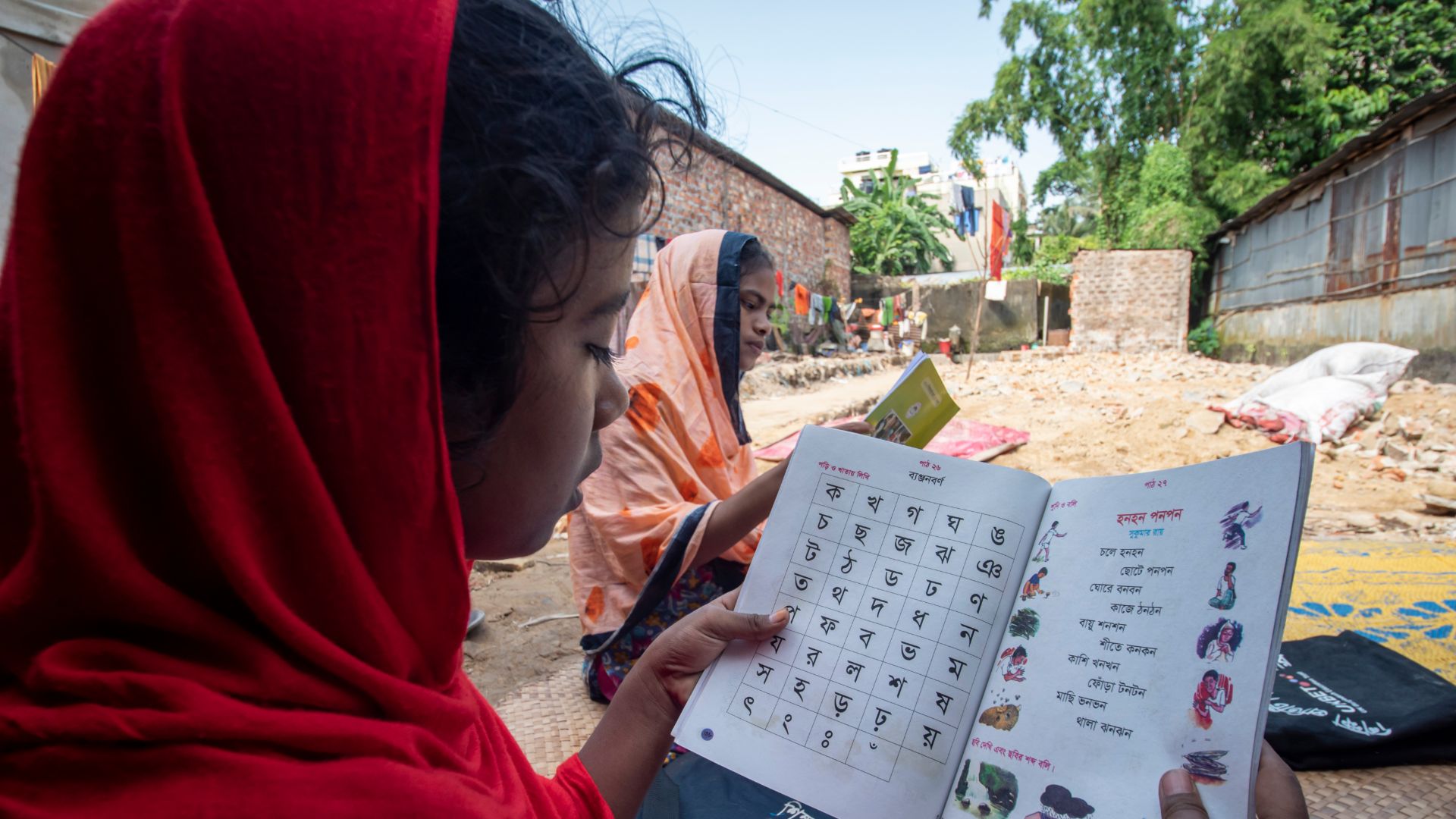
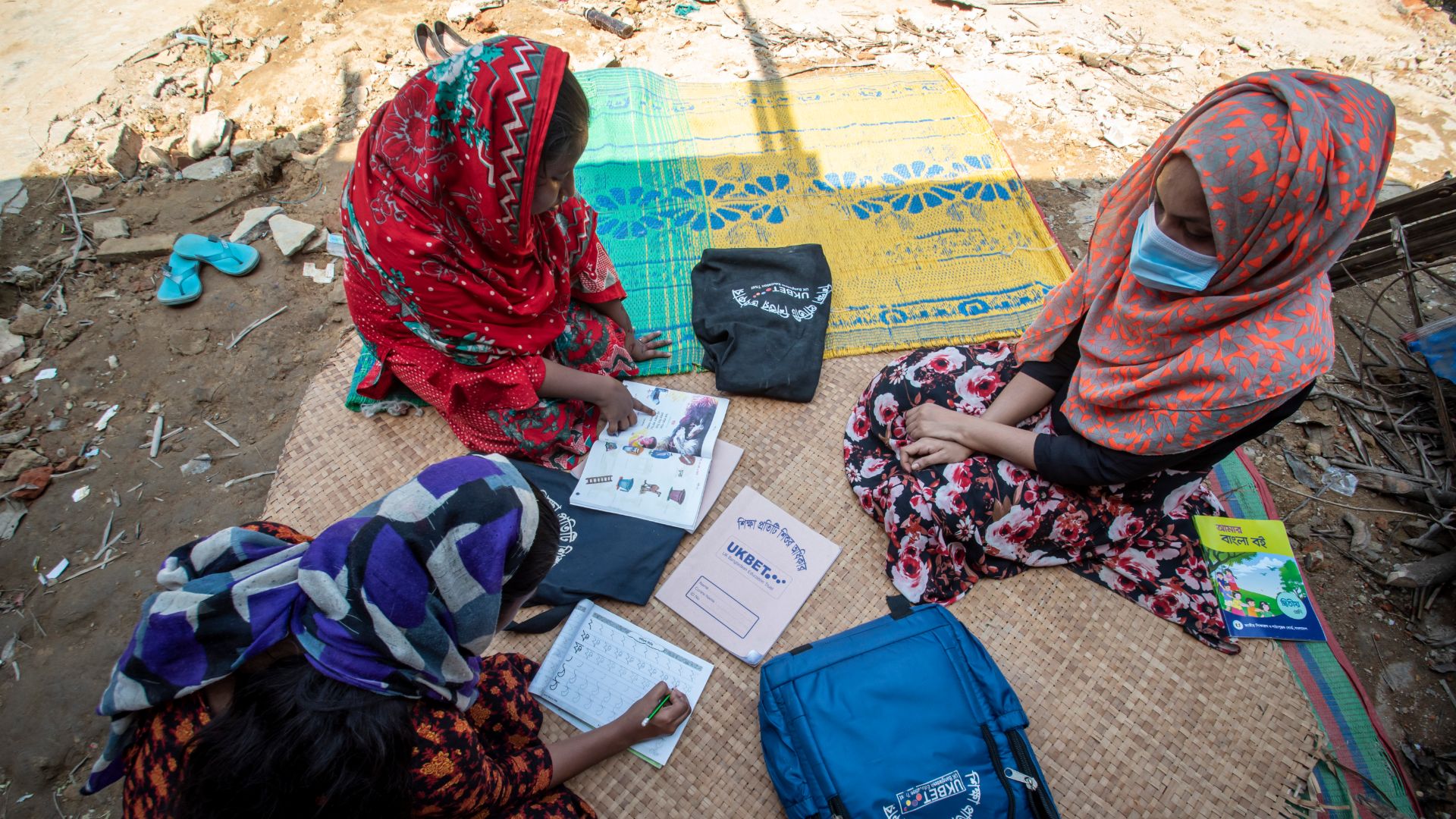
Our Doorstep Learning model was developed from our pioneering work providing education centres and learning opportunities for boys doing hazardous work. We wanted to build on our learning about interventions with working children – and provide literacy, numeracy and life skills for working girls, too, so we adapted our model to use in domestic settings for children – girls and boys – doing domestic work. We realised children doing domestic work may not be allowed to travel to a local centre, so we designed this programme to take learning directly to the domestic settings where children work.
Our specially trained community teachers support individual children or small groups who work near to each other, with the employers’ permission, in their homes.

Doorstep Learning curriculum
Children have three education sessions each week which enable them to develop basic literacy and numeracy skills, aligned to the national curriculum. Another important part of the curriculum for all of the working children we support, is life skills which include health, well-being, child rights, child marriage and also supports children to get their births registered.
Impact
To date, 894 children have been enrolled on our Doorstep Learning Programme. 410 children have progressed into mainstream school or into vocational training or have left domestic labour. 449 family members have been engaged and supported and 141 families have received a small business grant.
See our case studies for more information about these projects and examples of how grants to families have made a significant difference to working children and their families.
Funders
Our first Doorstep Learning programme, funded by the British and Foreign School Society, ran from January 2019 to March 2020. It allowed us to develop and pilot a model which engaged 76 child domestic workers aged 5 – 14 (80% girls). Our current Doorstep Learning projects are being funded by the Ashworth Trust and Peter Stebbings Foundation.


We have chosen to align our vision for our Doorstep Learning programme with the 17 United Nations Sustainable Development Goals. Not only do these goals offer a comprehensive guide to solving the challenges facing our planet, but they act as a focal point for all of us to rally together to create a more equitable world.
See below which goals our programme is working towards.



Our working children programmes
We reach and teach the most vulnerable and excluded working children forced into hazardous domestic labour. Our programmes below empower these young girls and their families through access to education, tailored vocational training, and livelihood support - offering them real alternatives to exploitation. By removing financial and social barriers, our programmes pave the way for long-term learning, dignity, and opportunity.
Doorstep Learning
Although not officially recognised as being ‘hazardous’, domestic work presents many dangers for working children both from the labour they are asked to do and the incidence of sexual and physical assault.
Family Futures
Poverty drives families to send their children to work rather than school. Our team works with families of the children in our education programmes to help them create income through self-employment and referring them to other agencies for support.
Historical programmes
The programmes below are no longer active. Initiated in 2013, these programmes aimed to help boys working in hazardous occupations. Despite their popularity, the number of boys progressing out of child labour was disappointing. Given limited resources, the Trustees have decided to close these programmes in February 2024 and focus on our Doorstep Learning and Family Futures programmes which continue to have great success and progression rate.
Waste Pickers
This pilot project will bring basic education to 50 children working as waste collectors in Sylhet. Children will be taught literacy, numeracy and life skills by specialist community teachers three times a week in education centres close to their workplace.
Hazardous Work
Following a baseline study that revealed that 3,000 children are employed in hazardous jobs in the city of Sylhet, we initiated our pioneering education programme with children doing hazardous work in workshops and small businesses in Sylhet.
Donate and support our work
Education can change lives.