
Family Futures
Challenging family dependence on child labour
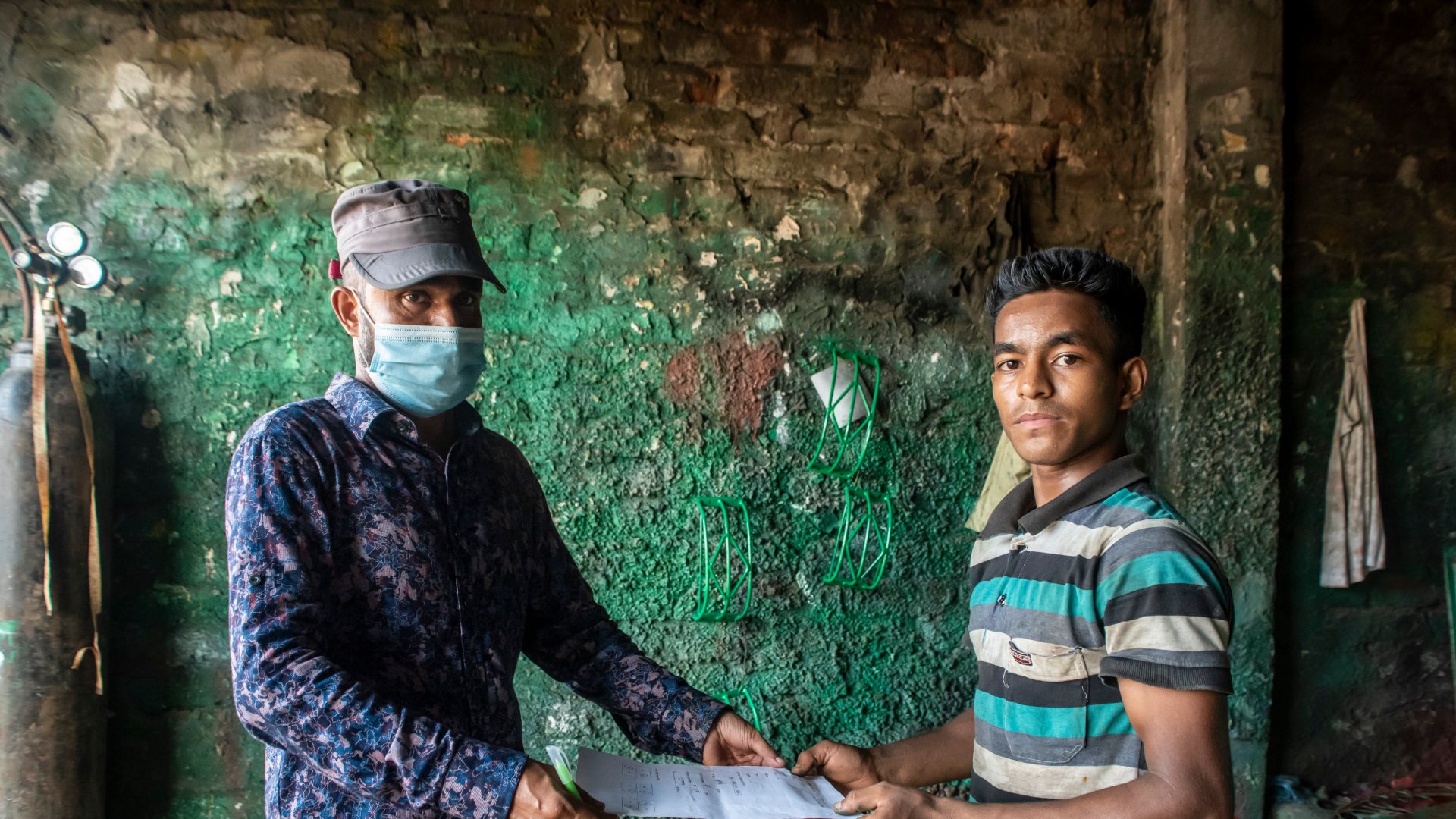
Our team works with families of the children in our education programmes to help them create income through self-employment and referring them to other agencies for support.
COVID-19 is driving more people in Bangladesh into extreme poverty, pushing more children into the labour market.
In our survey of 263 families with children participating in our education programmes, 48% responded that their lack of money is so desperate they have no alternative but to seek work or marriage for as many of their children as possible. Our Family Futures programme aims to prevent this by building the capacity of the families of the children on our education programmes so they can provide for their children and send them to school instead of work.
How does it work?
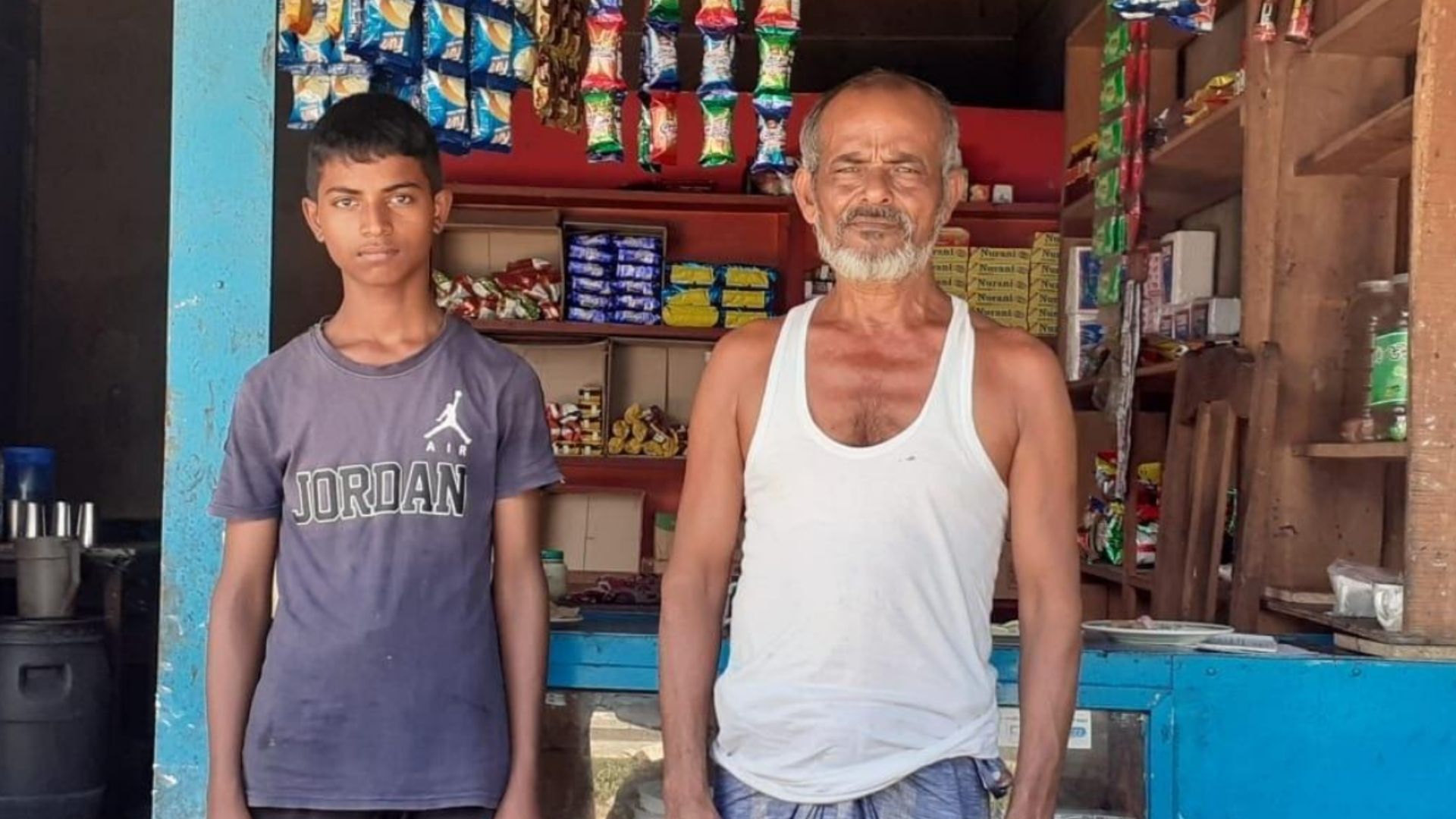
Our field workers support families to identify an enterprise that suits their skills and experience, and that will produce a reliable and sustainable income. We provide a micro-grant to purchase what is needed to start their small business, e.g. poultry for egg sales, rent for a tea stall or a rickshaw.
Money is not given directly to the family member, instead, the field worker and recipient will agree and purchase the goods that are needed and their field worker ensures they are used as intended, helping them make appropriate decisions and building their confidence and skills to ensure success.
Our field workers also fulfil a child protection role helping to safeguard their children’s education, as well as local advocacy talking with neighbours about the importance of education.
These small businesses offer families an essential lifeline to pay rent, buy food and meet every day essential needs.
Crucially, it means they can afford to send their children to school rather than to work for low pay in hazardous conditions or into early marriage. Furthermore, the support period will give each family time to successfully establish their business and develop a long-term sustainable income.
Read Pial’s story as an example of the positive impact your support has had on not only him but his sisters and his parents too.


We have chosen to align our vision for our Family Futures programme with the 17 United Nations Sustainable Development Goals. Not only do these goals offer a comprehensive guide to solving the challenges facing our planet, but they act as a focal point for all of us to rally together to create a more equitable world.
See below which goals our programme is working towards.
Our programmes
Our programmes fall into two main categories; working children and training for teachers, teacher trainers and professionals.
Working Children
These programmes engage children doing hazardous work and domestic labour, all otherwise denied access to education.
Teacher Training
We have a strong track record in delivering English language training for teachers, teacher trainers and other professionals.
Donate and support our work
Education can change lives.